

Biomimicry and How Nature Solves Problems: The hidden genius of the natural world and how immersing yourself in it might just be the solution you're looking for
- Aug 13
- 2 min read
I’m still laughing about the fact that whilst getting my hair snagged in a tree branch and blindly trying to tug this free, I then managed to get the Velcro cuff of my sleeve caught in my hair and stuck. I ought to have been embarrassed but this is a fairly routine trade-off when you work in a Forest School. It prompted a conversation with another adult who watching, amused, then recalled a very fitting fact; the Velcro which had just so effectively raked half of the hair from my ponytail and left me looking like Cousin It from The Addams Family, is in fact so effective, because it is based on…drum roll….sticky weed!
George de Mestral, a Swiss engineer, noticed the many burdock burrs clinging to his dog’s fur. He was curious about these tiny passengers and noticed on close examination that they were covered in tiny, flexible hooks, perfect for latching on to a free-ride somewhere on fabric or fur!

He went on to create Velcro-the name combined the French words velours (velvet) and crochet (hook). Although it took nearly 10 years of trial and error to create! I wonder if he would also have watched me in amusement as I fought to free myself from such a fantastically well engineered product!

The name given to human inventions, inspired by nature is biomimicry.
Velcro isn't the only example of where innovators have noticed just how fantastic something from the natural world is and been inspired to replicate this in a way that provides a solution to a problem.
3 Ways Biomimicry has been used to problem solve
Shark Swim suits-Giving the competitive advantage
The shark suit worn by elite swimmers to gain the winning stroke over an opponent. They are designed to mimic the hydrodynamic properties of sharkskin and improve the flow of water over the body to reduce drag and improve swimming efficiency.

High-speed Bullet Trains-Efficient Travel
Can you guess what was used for inspiration to create the nose cone of the 'high-speed bullet' train?
It was based on the beak of a Kingfisher.
The high-speed bullet train was invented in 1964 in Japan and used the streamlined efficiency of the Kingfisher to help the train travel 10% faster, at 220mph!

Wind Turbine-Better energy collection
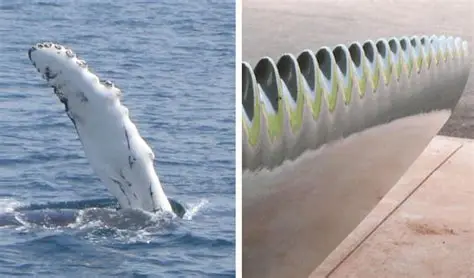
The tubercles on a humpback wales fin enable it to gain better lift and reduce drag. This is the feature which biomimicry has taken advantage of and has been translated to the design of wind turbine blades to improve performance. It could lead to up to 20% more energy being produced.
I wonder Mother Nature might teach us next? How will nature and biomimcry solve our next design problems?
Stay up to date with our latest blogs and freebies-click the link to join our membership now.

Comments